Draw schedules and progress payments, explained
How construction payments are structured, what a schedule of values is, and how to check a draw request before you pay it.
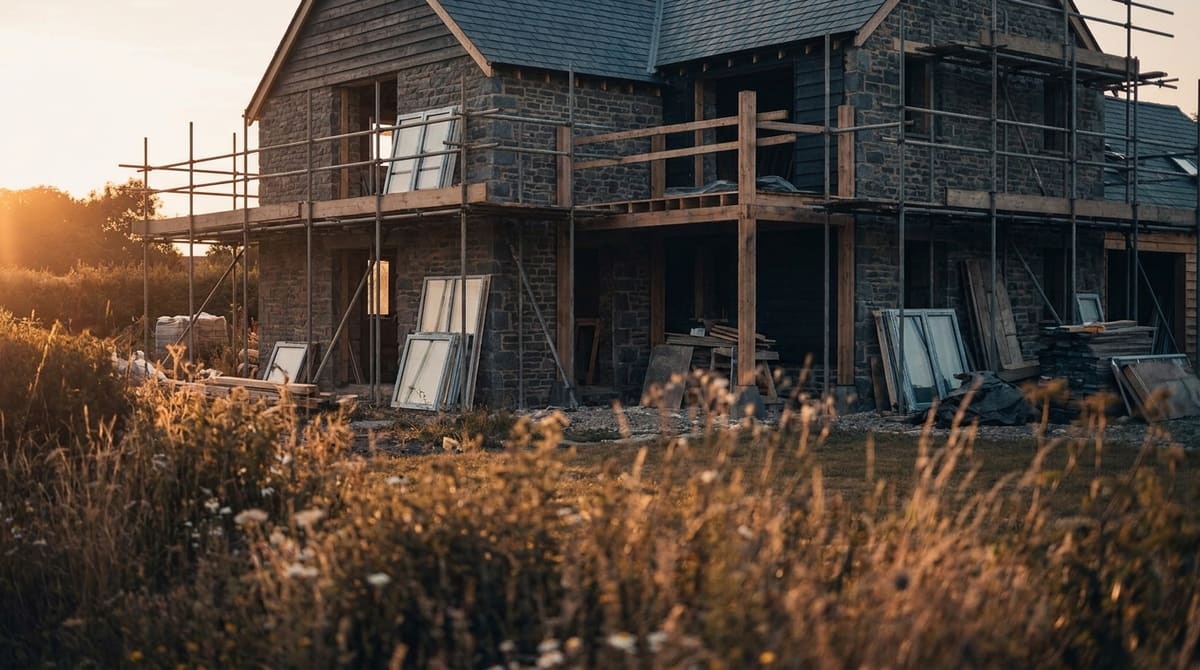
Almost no construction project is paid in one lump at the end. Money moves in draws — payments released as work progresses — and understanding how they are structured is the difference between paying for what has been built and paying ahead of it.
The schedule of values
A schedule of values breaks the contract into line items, each with a value, adding up to the contract total. Foundation $28,000, framing $54,000, roofing $31,000, and so on. It is the backbone of every payment conversation that follows.
Ask for it before work starts. A contractor who cannot produce one is asking you to release money against a number nobody can check.
How a draw request should read
A proper draw request states, per line: the total value, the percentage complete this period, the cumulative percentage, the amount earned, retainage withheld, and the net due. That format lets you check it by walking the job rather than by trusting it.
| Line | Value | Complete | Earned | Retainage 10% | Due |
|---|---|---|---|---|---|
| Foundation | $28,000 | 100% | $28,000 | $2,800 | $25,200 |
| Framing | $54,000 | 75% | $40,500 | $4,050 | $36,450 |
| Roofing | $31,000 | 0% | $0 | $0 | $0 |
Front-loading
The most common problem is not a fake line — it is a real line billed early. Watch for large percentages claimed on work that is easy to overstate, or for material deliveries billed as though they were installed. Material on site is worth something, but it is not the same as work in place, and it walks away if a contractor does.
A deposit to get started is normal. Being consistently a draw ahead of the visible progress is not. If the contractor leaves, you recover very little of money paid for work that was never done.
What to get with each payment
- The updated schedule of values with percentages
- Lien waivers from the subs and suppliers paid out of the previous draw
- Any change orders affecting the amount, approved in advance
- Photographs of the work being claimed — trivial to produce and it settles most questions before they are asked
Keep the ledger yourself
Do not rely on the contractor's accounting as your only record. Keep your own list of what was paid, when, against which line, and what was outstanding at the time. It takes minutes per draw and it is the document that answers every question later — including whether you have overpaid.
Common questions
What is a draw in construction?
A progress payment released as work is completed, rather than paying the whole contract at the end.
What is a schedule of values?
The contract broken into line items with a value against each, adding up to the contract total. It is what draw requests are measured against.
How much deposit is normal?
It varies by region and job size, and some states cap it. The principle that matters more is that after the deposit, payments should follow completed work rather than run ahead of it.
Keep all of this in one place
Punchlist360 is the punch list, the photographs, the budget and the insurance claim file for your build — so the record exists as a by-product of doing the work. $9.99 a month, cancel any time. Contractors you invite are free.
See how it works More guidesRead next
 How to tell if your contractor is overbillingNot every uncomfortable invoice is dishonest. Here is how to check a payment request against the contract, the schedule of values and the work actually done.
 Lien waivers: what to collect and whenYou can pay your contractor in full and still face a lien from a sub who was never paid. Lien waivers are how you stop that.
 Change orders: why unapproved extras cost homeowners the mostA change order is how the contract price changes. Get them in writing before the work happens and the final bill holds no surprises. Skip them and it will.
 What to check before you make the final paymentFinal payment is the last moment you have any leverage. Here is the checklist to work through before the money leaves.