 How to document storm damage so your claim actually gets paidWhat to photograph, when to photograph it, and what to write down. The documentation that decides a claim is nearly all captured in the first week.
 Insurance supplements: how to ask for more money and get itA supplement is a routine request to revise the scope when the repair turns out bigger than the estimate. Here is what a successful one contains.
 Recoverable depreciation: the money the carrier is holding backYour first cheque was smaller than the estimate for a reason. Recoverable depreciation is money you are owed once the work is done — but only if you claim it properly.
 What is a scope of loss, and how do you read yours?The scope of loss is the carrier's line-by-line description of your repair. Learn how to read one, what the abbreviations mean, and how to spot the lines that are missing.
 Why your insurance claim was underpaid — and what to do about itMost underpaid claims are not a conspiracy. They are an arithmetic gap between the carrier's scope of loss and what the work actually costs. Here is how to find the gap and prove it.
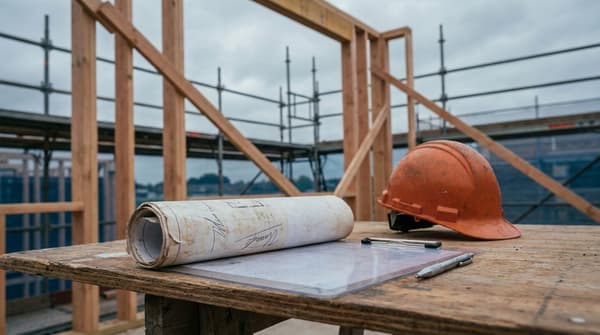 Change orders: why unapproved extras cost homeowners the mostA change order is how the contract price changes. Get them in writing before the work happens and the final bill holds no surprises. Skip them and it will.
 Draw schedules and progress payments, explainedHow construction payments are structured, what a schedule of values is, and how to check a draw request before you pay it.
 How to hold a contractor to a schedule without a fightMost schedule disputes are really record disputes. Keep the right records and the conversation becomes short and factual.
 How to tell if your contractor is overbillingNot every uncomfortable invoice is dishonest. Here is how to check a payment request against the contract, the schedule of values and the work actually done.
 Lien waivers: what to collect and whenYou can pay your contractor in full and still face a lien from a sub who was never paid. Lien waivers are how you stop that.
 Public adjuster or do it yourself? An honest comparisonA public adjuster works for you, not the carrier, and takes a percentage. Here is when that is worth it and when it is not.
 What is a punch list, and how do you run one properly?A punch list is the record of everything still unfinished or wrong at the end of a job. Here is how to build one that actually gets the work finished.
 What to check before you make the final paymentFinal payment is the last moment you have any leverage. Here is the checklist to work through before the money leaves.
 Drawing revisions: how building from the wrong sheet costs a fortuneSuperseded drawings are one of the most expensive mistakes in construction, and one of the easiest to prevent.
 Keeping receipts for an insurance claim: what counts and how to file itWhich spending belongs in a claim, which does not, and how to file receipts so the claim can actually be proved.
 Loss of use and additional living expenses: what you can actually claimIf your home is uninhabitable, your policy usually pays the extra cost of living elsewhere. Here is what qualifies and what people forget.
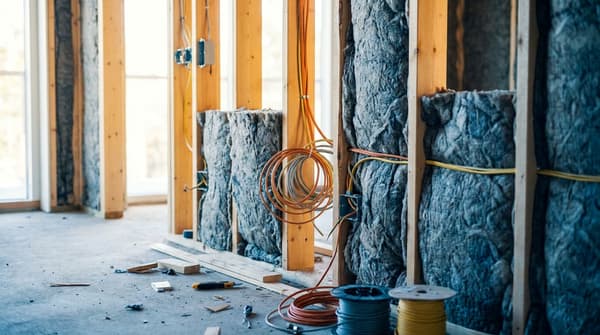 Photographs: the difference between "I told you" and proofOn a construction job or an insurance claim, the photograph is the argument. Here is what to take, when, and how to keep it findable.
 The paper trail that wins construction disputesDisputes are decided by records, not by who is right. Here are the seven documents that settle almost every argument.
 What is a daily log, and why does it decide arguments?The daily log records who was on site, what got done and what stopped work. It is the first document anyone asks for in a dispute.
 What is a submittal, and why does it hold up your job?Submittals are how what gets installed is approved before it is ordered. A slow submittal log is one of the most common hidden causes of delay.
 What is an RFI in construction, and how do you run them well?A request for information turns a question into a tracked, dated obligation with somebody's name on it. Here is how to write one that gets answered.
 Who does what on a construction projectOwner, general contractor, architect, engineer, subs, suppliers, inspector — who is responsible for what, and who to ask when something goes wrong.
Stop keeping this in four places
Punchlist360 keeps the punch list, the photographs, the budget and the insurance claim file in one place, so the record exists without anybody maintaining it. $9.99 a month, cancel any time.
See how it works