Photographs: the difference between "I told you" and proof
On a construction job or an insurance claim, the photograph is the argument. Here is what to take, when, and how to keep it findable.
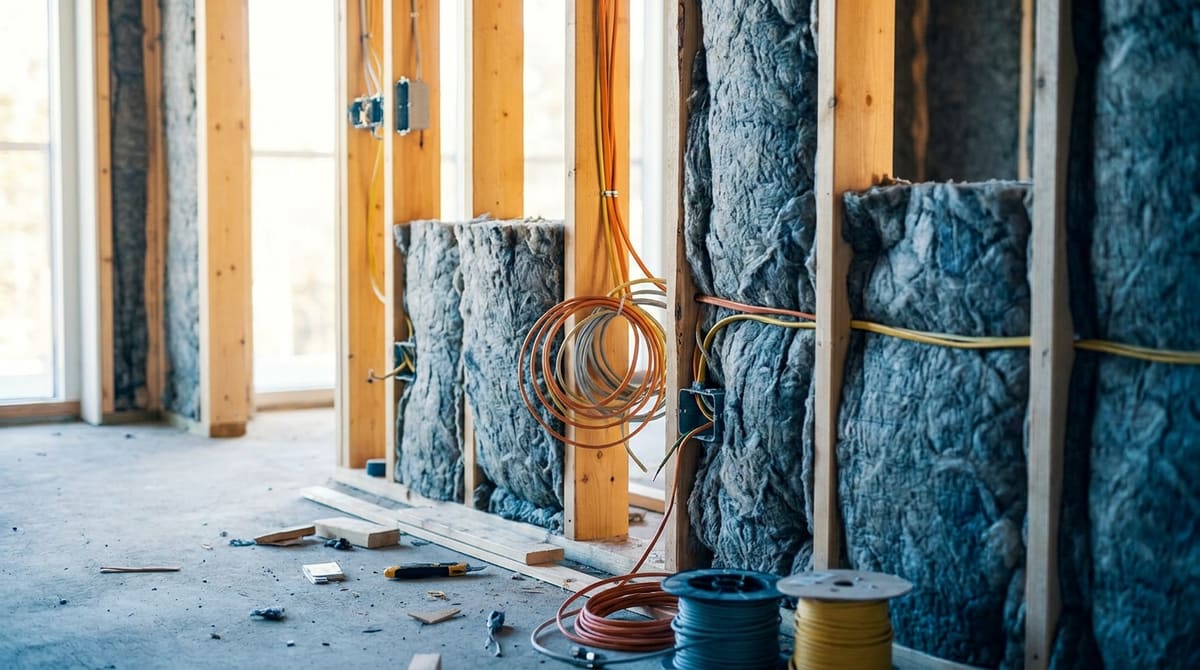
Every dispute on a building project comes down to the same exchange. One person says the work was like that. The other says it was not. Both are sincere. Neither can prove it.
A photograph ends that conversation before it starts, and it costs four seconds.
The five moments that matter
- Before anything starts. Every room, every elevation. This is the baseline for what was already damaged, already scratched, already out of square.
- Open construction. Framing, wiring, plumbing, insulation, subfloor — everything about to be covered. Once the drywall is on, this is unrecoverable.
- Every defect, when you find it. Not at the end when you compile the list. Now, with the date on it.
- Every repair, when it is done. The before-and-after pair from the same angle is the single most persuasive document in construction.
- Completion. Room by room, the finished state, on the day you make the final payment.
Photographs of open walls are the evidence that hidden damage existed, that the wiring was done properly, and that what is behind the finish is what somebody said it was. Nothing else can replace them and the window is a few days wide.
A photograph nobody can find is not evidence
This is where it actually breaks down. People take the photographs. Then they are in the camera roll among four thousand others, and eight months later "the picture of the leak" is genuinely unfindable, so the claim is made without it.
The fix is attaching the photograph to the thing it is about at the moment you take it — this punch item, this day's log, this receipt — rather than to a date on a phone.
Practical points
- Something in frame for scale. A tape measure changes "a crack" into "a crack 40 inches long".
- A wide shot before the close-up, so the detail can be located.
- Keep the originals. Screenshots and messaging-app copies strip the date information and the quality.
- Photographs of your home contain its location in the file. Punchlist360 strips that on upload while keeping the image quality — the picture is evidence, the GPS tag is just exposure.
Storage is not the constraint. A modern phone photograph compresses to well under 2MB with no visible loss; we routinely see 10MB originals stored at 1.4MB. There is no good reason to be selective.
Common questions
What should I photograph during a renovation?
The condition before work starts, all open construction before it is covered, every defect when you find it, every repair when it is finished, and the completed state at final payment.
Do photographs help with an insurance claim?
They are usually the deciding evidence, particularly photographs of hidden damage taken before walls were closed back up.
Should I keep original photo files?
Yes. Originals carry the date and camera information. Screenshots and messaging-app copies strip that and reduce the quality.
Keep all of this in one place
Punchlist360 is the punch list, the photographs, the budget and the insurance claim file for your build — so the record exists as a by-product of doing the work. $9.99 a month, cancel any time. Contractors you invite are free.
See how it works More guidesRead next
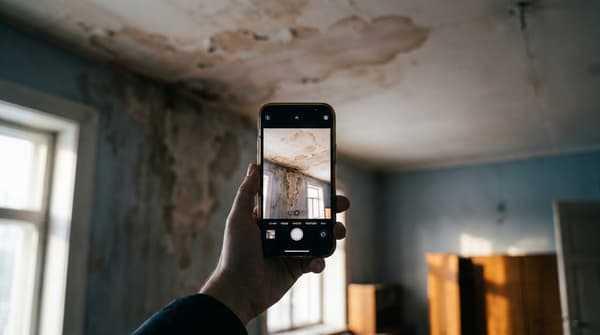 How to document storm damage so your claim actually gets paidWhat to photograph, when to photograph it, and what to write down. The documentation that decides a claim is nearly all captured in the first week.
 What is a punch list, and how do you run one properly?A punch list is the record of everything still unfinished or wrong at the end of a job. Here is how to build one that actually gets the work finished.
 The paper trail that wins construction disputesDisputes are decided by records, not by who is right. Here are the seven documents that settle almost every argument.
 Keeping receipts for an insurance claim: what counts and how to file itWhich spending belongs in a claim, which does not, and how to file receipts so the claim can actually be proved.